
Do Fish Hooks Dissolve?
Yes, most fish hooks eventually dissolve, but it depends on their material and water type. Hooks made of steel or carbon slowly corrode in weeks or months, while stainless-steel hooks take much longer to break down.
Introduction:
Have you ever wondered what happens when a fish breaks free with your hook still in its mouth? Many anglers ask, “Do fish hooks dissolve?” The answer is both yes and no — it depends on the type of hook and water conditions.
Fish hooks are designed to be strong, but they aren’t indestructible. Over time, most hooks rust and dissolve naturally when exposed to water and oxygen. However, the process can take days, weeks, or even years depending on the material.
As a professional fisherman with over 5 years of experience, I’ve seen how different hooks behave underwater. Some corrode fast in saltwater, while others remain intact for months. In this guide, you’ll learn how and when fish hooks dissolve, the factors that affect the process, and tips to make fishing safer for both you and the fish. details Fishing Gaff Hook
🟢 How Long Does It Take for Fish Hooks to Dissolve?
The time it takes for a fish hook to dissolve depends on its material, coating, and the water type (freshwater or saltwater). Generally, fish hooks can take anywhere from a few weeks to several years to fully break down.
Hooks made of high-carbon steel or bronze dissolve faster because they rust quickly when exposed to moisture. On the other hand, stainless-steel hooks resist corrosion and can last a long time underwater — sometimes for years.
Here’s a simple breakdown:
| Hook Material | Average Dissolving Time | Notes |
| Bronze Hook | 1–4 weeks | Rusts quickly, safest for fish |
| High-Carbon Steel Hook | 2–8 weeks | Common in freshwater fishing |
| Nickel-Coated Hook | 2–6 months | Slower corrosion rate |
| Stainless-Steel Hook | 1–2 years (or more) | Very durable, not eco-friendly |
| Tin-Plated Hook | 3–9 months | Corrodes slower but still dissolves over time |
If a fish swims away with a hook in its mouth, the dissolving process begins immediately once it’s exposed to water and oxygen. However, the water temperature, salinity, and hook thickness also affect how quickly it breaks down.
💡 Pro Tip: For safer catch-and-release fishing, use bronze or carbon steel hooks — they dissolve faster and reduce harm to the fish.
Is leaving a hook in a fish safe?
In some cases, leaving the hook in a fish can be safer than removing it, particularly when it’s lodged deep in the throat or stomach. For catch-and-release fishing, cutting the line close to the hook can reduce injury. However, hooks take time to dissolve, so the fish’s survival depends on hook type, size, and placement.
🟢 Factors That Affect How Fast Fish Hooks Dissolve
Not all fish hooks dissolve at the same speed. Some disappear in weeks, while others stay strong for years. The main difference depends on a few key environmental and material factors. Let’s look at what really affects the dissolving process:
1. Hook Material
The biggest factor is the metal used.
- Carbon steel and bronze hooks corrode quickly when wet.
- Stainless steel and nickel-coated hooks resist rust, taking much longer to break down.
2. Water Type
Hooks dissolve faster in saltwater than in freshwater. The salt speeds up the corrosion process, especially on cheaper metal hooks.
💡 Tip: If you fish in saltwater areas, avoid stainless-steel hooks because they can remain underwater for years without rusting.
3. Water Temperature
Warm water accelerates the chemical reaction between metal and oxygen, helping hooks dissolve faster. Cold water slows down this process significantly.
4. Hook Thickness
Thicker hooks have more metal to corrode, so they take more time to dissolve. Lighter and thinner hooks tend to break down much faster.
5. Protective Coating
Some hooks come with anti-rust coatings or paint. While this helps them last longer in your tackle box, it also means they take longer to dissolve if left in the fish or water.
6. Exposure to Oxygen
Hooks exposed to air pockets or oxygen in water dissolve faster. Low-oxygen areas, like muddy or deep water, slow down the corrosion process.
💡 Quick Summary Table
| Factor | Effect on Dissolving Speed |
| Hook Material | Major Impact (Fastest: Bronze) |
| Water Type | Saltwater dissolves faster |
| Temperature | Warm = Faster, Cold = Slower |
| Thickness | Thin = Faster |
| Coating | Slows down corrosion |
| Oxygen | More oxygen = Faster corrosion |

🟢 What Happens If a Fish Swallows a Hook?
Many anglers worry about what happens when a fish accidentally swallows the hook. The truth is, it depends on where the hook is lodged, the type of hook, and how deep it goes.
When a fish swallows a hook deeply, it can injure the throat or stomach area. This makes it hard for the fish to eat or breathe properly. However, in some cases, if the hook is made from a rust-prone metal like bronze or carbon steel, it will dissolve naturally over time and the fish can survive.
Fish have a strong immune system that helps them heal small internal wounds. If the hook rusts away quickly, the fish can recover and continue living normally. But if it’s a stainless-steel hook, it may stay inside the fish for months or even years, increasing the risk of infection. more info Fishing Gaff at Home
💡 What You Can Do
If you notice that the hook is too deep to remove safely:
- Cut the line close to the fish’s mouth and release it gently.
- Avoid pulling forcefully — this can cause more injury.
- Always use barbless or circle hooks for catch-and-release fishing. These hooks are easier to remove and reduce harm.
🧠 Pro Tip:
Next time you go fishing, carry pliers or a hook remover tool. This helps remove hooks safely and quickly without hurting the fish.
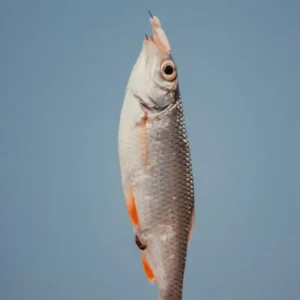
Do Hooks Dissolve in a Fish’s Stomach?
The stomach acids of a fish can break down some hook materials, such as uncoated high-carbon steel, in just a few weeks or months. But stainless steel hooks are highly resistant to corrosion, meaning they can stay inside a fish for years without breaking down. This is why many anglers choose barbless, corrosion-prone hooks for catch-and-release fishing.
🟢 Do Fish Hooks Dissolve in Saltwater vs Freshwater?
Yes, fish hooks do dissolve — but how fast they corrode depends on the type of water they’re in. Saltwater and freshwater affect hooks in very different ways.
In saltwater, hooks tend to rust and break down much faster. This is because salt speeds up the corrosion process on metal surfaces. A regular carbon steel hook may start showing rust within just a few days of being used in saltwater. In some cases, it can completely dissolve in a few weeks. That’s why saltwater anglers often replace their hooks more often.
On the other hand, freshwater is less corrosive. Hooks can last several months or even years without much rusting, especially if they’re made from stainless steel or have protective coatings like nickel or Teflon. These coatings make the hook stronger and prevent it from breaking down quickly.
⚖️ Comparison: Saltwater vs Freshwater Hook Corrosion
| Factor | Saltwater | Freshwater |
| Corrosion Speed | Fast | Slow |
| Best Hook Type | Stainless steel or coated | Carbon steel or uncoated |
| Average Hook Lifespan | Weeks | Months to years |
| Maintenance | Rinse after every trip | Rinse occasionally |
💡 Pro Tip:
If you fish in saltwater, rinse your gear with clean water after every trip. This simple step removes salt crystals and extends your hook’s life. You can also apply a thin layer of oil to prevent rusting.
Do Hooks Dissolve in Water?
Yes, but the rate depends on several factors:
- Hook material – Steel corrodes faster than stainless steel.
- Water type – Saltwater speeds up corrosion compared to freshwater.
- Coatings – Nickel, tin, or Teflon-coated hooks last longer.
For example, a regular steel hook in saltwater might corrode in a few weeks, while the same hook in freshwater may take months. Stainless steel hooks can last for decades without dissolving.
Will a Fish Digest a Hook?
No, fish cannot truly “digest” a hook the way they digest food. A hook is made from metal (steel, stainless steel, or other alloys), which does not break down in the digestive system like organic material.
However, stomach acids in some fish species can cause corrosion on certain hooks over time, especially if they are uncoated high-carbon steel hooks. In many cases, the hook either works its way out naturally through the mouth or gills, or it corrodes enough to lose its strength.
Tip for anglers: If you catch a fish that swallows the hook deeply, it’s often better to cut the line close to the mouth and release the fish rather than forcefully removing it. This increases the fish’s survival rate.
🟢 Can Fish Digest Hooks?
A common question among anglers is: “Can fish digest hooks?” The answer is simple: no, fish cannot digest metal hooks like they digest food. Hooks are made of steel, stainless steel, or other alloys, which are non-organic and resistant to stomach acids.
Some stomach acids and digestive fluids in certain fish species can cause minor corrosion over time, but this process is very slow. For example, a carbon steel hook might weaken after a few weeks or months inside a fish, but a stainless-steel hook can remain intact for years.
⚖️ What Happens to the Hook Inside a Fish?
- Shallow Hooking: If the hook lodges in the fish’s mouth or lips, it often comes out naturally or stays without major harm.
- Deep Hooking: If it’s in the throat, gills, or stomach, it can cause injury, making it harder for the fish to eat or swim. In such cases, the fish’s survival depends on hook material and placement.
- Corrosion: Hooks made from rust-prone metals (like bronze or high-carbon steel) will slowly corrode, reducing long-term harm.
💡 Pro Tip:
For catch-and-release fishing, use barbless hooks or hooks that corrode faster. If a fish swallows the hook deeply, cut the line close to the fish’s mouth and release it gently — this increases its chances of survival.
🟢 Do Fish Feel Pain From Hooks?
Many anglers wonder: “Do fish feel pain when hooked?” Scientists and experts debate this, but research shows that fish have nociceptors, which are sensory receptors that detect harmful stimuli. This means fish can sense discomfort or stress when a hook pierces their mouth or body.
However, fish process pain differently from humans. Their reactions are often reflexive, not emotional, which means they may struggle or shake but may not “feel” pain the same way we do. Regardless, ethical anglers always assume that hooks can cause stress or injury, and they take steps to minimize harm.
⚖️ Tips to Reduce Hook-Related Pain:
- Use Barbless Hooks: Easier to remove and cause smaller wounds.
- Handle Fish Gently: Avoid squeezing or dropping them.
- Minimize Air Exposure: Keep fish in water as much as possible during release.
- Quick Release: Remove the hook carefully and release the fish quickly.
- Choose the Right Hook Size: Smaller hooks for small fish reduce injury.
💡 Pro Tip:
Using quick-dissolving hooks in catch-and-release fishing is also an excellent way to reduce long-term injury. These hooks corrode faster and minimize the chance of internal damage.
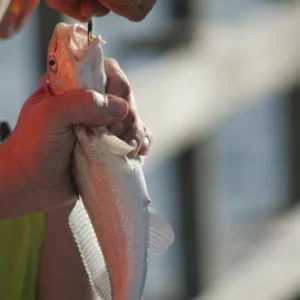
🟢 How to Safely Remove a Hook from a Fish
Removing a hook safely is crucial for both the fish’s survival and your safety. If done incorrectly, deep hooks can injure the fish or cause infections for anglers.
Step 1: Assess the Situation
- Check where the hook is lodged.
- If it’s in the lips or shallow part of the mouth, removal is usually simple.
- If it’s deep in the throat or stomach, consider cutting the line instead of pulling.
Step 2: Use the Right Tools
- Pliers or long-nose forceps help grip and remove hooks safely.
- De-hooking tools are designed specifically for fish with minimal injury.
Step 3: Gentle Removal
- Hold the fish firmly but gently.
- Push the hook slightly forward to disengage the barb before pulling it out.
- For barbless hooks, simply back it out carefully.
Step 4: If the Hook is Too Deep
- Cut the line as close to the hook as possible.
- Let the hook dissolve naturally over time — this reduces internal injury and increases survival chances.
Step 5: Release Properly
- Keep the fish in water as long as possible.
- Support it gently and allow it to swim away on its own.
💡 Pro Tip:
Always carry a first-aid kit while fishing. Accidental hook injuries can happen, and immediate care prevents infection.
Do Fish’s Mouths Heal After Being Hooked?
Yes, fish can recover remarkably well from small mouth wounds caused by hooks. In many cases, small puncture wounds close up in days or weeks.
However, healing speed depends on:
- Species – Some heal faster than others.
- Hook type – Barbless hooks cause smaller wounds.
- Handling – Gentle handling reduces additional stress and injury.
Tip: Avoid using overly large hooks for small fish species to reduce unnecessary injury.
🟢 What Are Dissolvable or Biodegradable Fish Hooks?
Dissolvable or biodegradable fish hooks are specially designed hooks that break down faster in water or inside a fish. Unlike traditional stainless-steel hooks that can last for years, these hooks reduce long-term harm to fish, wildlife, and the environment.
Materials Used
- High-Carbon Steel: Rusts faster in water and inside fish.
- Biodegradable Alloys: Special metals designed to corrode within weeks or months.
- Uncoated Metal Hooks: Lack protective layers, so they dissolve quicker than coated hooks.
Benefits of Biodegradable Hooks
- Safer for Fish: Hooks corrode faster, reducing injury in catch-and-release fishing.
- Eco-Friendly: Lost hooks in rivers, lakes, or oceans break down naturally.
- Protects Wildlife: Reduces risks for birds, turtles, and other animals that might swallow hooks.
⚖️ Drawbacks
- Weaker than Stainless Steel: May bend or break under heavy loads.
- Slightly More Expensive: Biodegradable hooks cost a bit more than traditional hooks.
💡 Pro Tip:
Use biodegradable hooks in areas with endangered species or where lost hooks can harm wildlife. This small change helps protect the ecosystem and promotes responsible fishing. more about Hooks Size Trout Fishing
🟢 Environmental Concerns of Lost Fish Hooks
Lost fish hooks are more than just litter — they can harm wildlife, pollute water, and damage habitats. Understanding these risks helps anglers fish responsibly.
1. Wildlife Injury
- Birds, turtles, and other animals can swallow hooks accidentally.
- Hooks that stay in their bodies for months or years can cause internal injuries or death.
2. Water Pollution
- Rusted hooks release small amounts of metal into lakes, rivers, and oceans.
- Over time, this can affect water quality and aquatic life.
3. Habitat Damage
- Hooks that get snagged in coral reefs, vegetation, or riverbeds can disrupt ecosystems.
- Repeated hook loss in the same area can damage natural habitats permanently.
4. Long-Term Risks
- Stainless steel hooks take years to corrode, increasing the chance of accidental ingestion by wildlife.
- Biodegradable hooks are a safer option, breaking down naturally and reducing long-term harm.
💡 Pro Tips for Responsible Fishing
- Always collect damaged or unused hooks after each trip.
- Switch to biodegradable hooks whenever possible.
- Avoid fishing near sensitive habitats like coral reefs or nesting areas.
Fishing is fun, but it comes with responsibility. Being mindful of lost hooks protects fish, wildlife, and the environment for future generations.
What Are Dissolvable Fish Hooks Made Of?
Dissolvable fish hooks are typically made from:
- High-carbon steel – Corrodes faster in water and in fish’s digestive systems.
- Special biodegradable alloys – Designed to break down within weeks to months.
- Uncoated metal – Lacks corrosion-resistant layers, so they rust quicker.

These hooks are gaining popularity among catch-and-release anglers who want to reduce long-term harm to fish and other wildlife like turtles and birds that might accidentally swallow lost hooks.
Extra Insights for Anglers
- Do fish hooks dissolve in turtles? Similar to fish, hooks inside turtles corrode over time but may cause internal injury before they dissolve.
- Do fish hooks dissolve in saltwater? Yes, healing occurs more quickly in saltwater since it is more corrosive than freshwater.
- Quick dissolving fish hooks are a good choice for ethical fishing and environmental safety.
Environmental Concerns of Lost Fish Hooks
When a fish hook is lost in the water — either because a fish broke the line or it got snagged — it can remain in the ecosystem for years. While do fish hooks dissolve eventually? Yes, but the process is slow for many materials, especially stainless steel hooks.
Main Environmental Risks:
- Wildlife Injury – Birds, turtles, and other animals can swallow or get tangled in fishing tackle.
- Water Pollution – Rusted hooks release small amounts of metal into the water, affecting aquatic life.
- Habitat Damage – Hooks snagged in coral reefs or vegetation can disrupt the habitat.
Tip: Always collect unused or damaged hooks and dispose of them properly to reduce environmental impact.
🟢 Safety Tips for Anglers and Fish
Fishing is enjoyable, but it’s important to protect both yourself and the fish. Following simple safety tips ensures a fun and responsible experience.
1. Use the Right Hooks
- Barbless hooks or quick-dissolving hooks reduce fish injury.
- Choose hooks that match the size of your target fish.
2. Handle Fish Gently
- Hold fish firmly but gently to avoid damaging their fins or scales.
- Keep the fish in water as much as possible during release.
3. Check Your Gear
- Inspect hooks, lines, and rods for damage before each trip.
- Replace rusty or bent hooks to prevent accidents.
4. Keep Tools Ready
- Carry pliers, de-hookers, and gloves.
- Use these tools to remove hooks safely and minimize stress on the fish.
5. Personal Safety
- Avoid fishing alone in remote areas.
- Wear protective gear like gloves and eyewear when handling hooks.
- Keep a first-aid kit handy in case of accidental injuries.
6. Environment Safety
- Collect unused or damaged hooks after fishing.
- Avoid throwing hooks, lines, or trash into water bodies.
- Use biodegradable hooks to reduce long-term environmental impact.
💡 Pro Tip: Small actions like rinsing hooks after saltwater fishing and storing gear properly can prolong hook life and prevent injuries for both you and wildlife.
🟢 Best Practices to Avoid Hook-Related Harm
To ensure safer fishing for both fish and anglers, following best practices is essential. These small steps can make a big difference in reducing injuries, prolonging gear life, and protecting the environment.
1. Choose the Right Hook Material
- High-carbon steel hooks corrode faster, which is better for catch-and-release fishing.
- Avoid stainless steel hooks for catch-and-release, as they last too long inside fish.
2. Go Barbless
- Barbless hooks reduce injury and make removal easier.
- They are safer for both shallow and deep-hooked fish.
3. Cut the Line When Necessary
- If a hook is swallowed deeply, cut the line close to the fish’s mouth.
- This allows the hook to dissolve naturally, increasing the fish’s survival rate.
4. Check Your Gear Regularly
- Inspect hooks, rods, and lines for damage or rust.
- Replace worn-out or bent hooks immediately to prevent accidents.
5. Consider Biodegradable Hooks
- Biodegradable or dissolvable hooks are environmentally friendly.
- They reduce long-term risks for fish, turtles, birds, and other wildlife.
6. Handle Fish Responsibly
- Always handle fish gently and keep them in water during release.
- Avoid squeezing or dropping them, which can cause internal injuries.
💡 Pro Tip: Combining barbless, high-carbon steel, or biodegradable hooks with proper handling ensures minimal harm and a sustainable fishing practice.
🟢 Biodegradable Fish Hooks: Are They Worth It?
Biodegradable or quick-dissolving fish hooks are becoming popular among ethical anglers. They are designed to break down naturally in water or inside a fish, reducing long-term harm to wildlife and the environment.
✅ Benefits of Biodegradable Hooks
- Reduce Fish Injury: Hooks corrode faster, which is safer for catch-and-release fishing.
- Eco-Friendly: Prevent long-term pollution in lakes, rivers, and oceans.
- Protect Wildlife: Reduce risks for turtles, birds, and other animals that might swallow lost hooks.
⚖️ Considerations
- Weaker than Traditional Hooks: Biodegradable hooks may bend or break under heavy loads.
- Slightly Higher Cost: They cost more than standard hooks but provide long-term benefits.
💡 Pro Tips for Use
- Use biodegradable hooks in sensitive areas or where wildlife is abundant.
- Combine them with barbless or high-carbon steel hooks for safer catch-and-release.
- Always dispose of damaged hooks properly to maintain water quality.
Even though they are a bit more expensive, biodegradable hooks are worth trying for anglers who care about sustainability and protecting the ecosystem.
🟢 Do Fish Hooks Dissolve in Dogs or Other Animals?
Sometimes, pets or wildlife accidentally swallow fishing hooks. Unlike in water, hooks do not dissolve quickly inside animals like dogs, cats, or birds, and can cause serious injury.
Key Points
- Hooks Are Dangerous for Pets:
- Metal hooks remain in the digestive system for a long time.
- They can puncture internal organs, causing severe injury or infection.
- Immediate Action is Crucial:
- If a pet swallows a hook, do not wait for it to dissolve.
- Seek veterinary attention immediately to remove the hook safely.
- Prevent Accidents:
- Keep fishing hooks and tackle out of reach of pets and children.
- Dispose of old or broken hooks properly to avoid accidental ingestion by wildlife.
💡 Pro Tip: Even small hooks can be dangerous. Always use biodegradable hooks near areas where pets or wildlife are active, but never rely on them to dissolve inside an animal.
🟢 Final Thoughts – Do Fish Hooks Really Dissolve?
So, do fish hooks dissolve? Yes, but it depends on the hook material, coating, and environment.
- High-carbon steel hooks can corrode within weeks or months.
- Uncoated steel hooks dissolve faster in saltwater.
- Stainless steel hooks may last for decades without fully breaking down.
As responsible anglers, our goal should be to choose the right gear, practice safe catch-and-release, and protect the water we love. Using biodegradable hooks, barbless hooks, and proper handling techniques ensures minimal harm to fish, pets, and wildlife.
Fishing isn’t just about catching fish — it’s about preserving the ecosystem for future generations. Being informed and cautious helps make fishing both fun and sustainable.
🟢 Call-to-Action
Found this guide helpful? 🎣
- Share it with your fishing buddies.
- Explore more guides like [How to Make a Fishing Rod Holder for a Truck].
- Subscribe to get weekly tips, gear reviews, and ethical fishing advice.
Tight lines and happy fishing! 🌊🐟
Have you ever dealt with a hook stuck in a fish or tried using biodegradable hooks? Share your experiences and tips in the comments below!
✍️ Written by Jihad – Professional Fisherman
Website: profishingbyjihad.com
Do fish hooks dissolve in water?
Yes, hooks can corrode over time. Steel hooks dissolve faster than stainless steel. Saltwater speeds up corrosion, while freshwater slows it down.
How long does it take for a fish hook to dissolve?
It depends on material. High-carbon steel may corrode in weeks or months, while stainless steel can last for years without fully dissolving.
Can a fish survive with a hook inside?
Yes, if the hook is shallow or the line is cut close. Deep hooks can harm the fish, so careful catch-and-release is important.
Do stomach acids dissolve fish hooks?
No, fish cannot digest hooks like food. Only uncoated steel may corrode slowly, but most hooks stay inside for a long time.
Are biodegradable fish hooks real and safe?
Yes, biodegradable hooks dissolve faster and reduce harm to fish and wildlife. They are eco-friendly and ideal for catch-and-release fishing.
Can pets or other animals be harmed by hooks?
Yes, swallowed hooks can injure pets and wildlife. Always keep hooks out of reach and seek veterinary help if ingested.
What’s the safest way to remove a hook from a fish?
Use long-nose pliers or a de-hooker. If the hook is deep, cut the line close to the mouth to increase fish survival chances.