
To make a fishing gaff hook, you need a strong hook, a solid handle, and rope or screws to attach them securely. This simple DIY tool helps anglers land large fish safely during saltwater or freshwater fishing trips.
Introduction:
How to make a fishing gaff hook is a common question among anglers who enjoy catching big fish. A gaff hook is a simple but powerful fishing tool designed to help pull large fish into the boat safely. Instead of buying an expensive one, many fishermen prefer making their own using basic materials like a durable hook, a wooden or fiberglass handle, and some strong rope.
Learning this process not only saves money but also gives you a custom gaff that fits your fishing style. In this guide, we will cover step-by-step instructions, safety tips, and the best materials for making a fishing gaff hook.
In this guide, I’ll walk you through how to make a fishing gaff hook, step by step, using tools you probably already have at home. Whether you’re looking to save money, enjoy a weekend project, or just want a backup gaff, you’re in the right place.
Let’s dive in! 🎣 details Fishing Gaff at Home
What is a Fishing Gaff Hook?
A fishing gaff hook is a strong tool that helps anglers land big fish safely. It looks like a large hook attached to a long handle, usually made of wood, fiberglass, or aluminum. When a fish is too heavy to lift with just a rod and reel, the gaff hook is used to pull it into the boat or onto shore.
Gaff hooks come in different sizes and shapes, depending on the type of fishing. Small gaffs are good for medium fish, while long-handled gaffs are best for saltwater fishing where larger species are common. Many fishermen prefer using stainless steel hooks because they are durable and resist rust in saltwater.
In short, a fishing gaff hook is an important tool for anyone who enjoys catching large fish. It makes landing fish easier, safer, and more successful.
Why Make Your Own Fishing Gaff Hook?
Store-bought gaff hooks, like the Mustad gaff hook or Winthrop gaff hook, are reliable—but they can be expensive or hard to find, especially during peak fishing season. Creating your own gaff hook lets you fully customize the size, handle, material, and overall design to match your fishing style. It’s also a great way to learn more about your gear and how it works.
Materials Needed to Make a Fishing Gaff Hook
To make a fishing gaff hook, you don’t need many tools, but choosing the right materials is very important. A strong gaff will last longer, work better, and keep you safe while landing big fish. Below are the main items you will need:
- Hook – The most important part. Stainless steel hooks are best because they are strong and resistant to rust, especially in saltwater. Choose a size that matches the type of fish you want to catch.
- Handle – You can use wood, fiberglass, or aluminum. A wooden handle is cheap and easy to work with, while fiberglass and aluminum handles are lighter and stronger for saltwater fishing.
- Fasteners – Strong rope, screws, or epoxy glue are used to attach the hook to the handle. Make sure the joint is tight and secure.
- Grip – Adding a rubber or tape grip makes the handle easier to hold, even when wet.
- Protective Gear – Gloves and sandpaper for safety and smooth finishing.
Using the right materials ensures that your DIY gaff hook is safe, durable, and ready for both freshwater and saltwater fishing. details What Size Hooks for Trout Fishing
Benefits of Making Your Own Gaff Hook
Here’s why many pro and hobby anglers prefer the DIY route:
- ✅ Cost-Effective: Store-bought gaffs can cost $50–$150. A DIY version may cost under $10.
- ✅ Customization: Choose your ideal pole length, hook shape, grip thickness, and material.
- ✅ Satisfaction: There’s something rewarding about catching a big fish with gear you made yourself.
- ✅ Availability: If you’re in a remote location or supplies are out of stock, making your own gaff keeps you fishing.

Safety Tips When Using a Gaff Hook
Using a fishing gaff hook can be dangerous if you are not careful. Since it has a sharp metal point, you must handle it with safety in mind. Below are some important tips every angler should follow:
- Wear Protective Gloves – Always wear gloves when using a gaff. They protect your hands from cuts and give you a better grip.
- Secure the Fish Properly – Aim for the head or shoulder area of the fish. Avoid hitting the belly, as it can damage the meat.
- Use the Right Size Gaff – A small gaff may break under heavy weight, while a very large one is hard to control. Pick the correct size for the fish you target.
- Keep Distance in the Boat – When gaffing, make sure other people in the boat are at a safe distance to avoid accidents.
- Store Carefully – When not in use, cover the hook with a protective cap or cloth to prevent injuries.
Following these safety tips will make your fishing trip more enjoyable and reduce the risk of accidents. A gaff is a helpful tool, but it must always be used responsibly.
Tools & Materials You’ll Need
You only need a few simple tools—no expensive gear required.
- A strong metal hook (or bendable stainless steel rod)
- A sturdy pole (bamboo, PVC, or aluminum)
- Strong adhesive (epoxy or marine glue)
- Electrical tape or heat-shrink wrap
- Drill and screws (for added hook support)
- Gloves and safety glasses (for safety!)
I’ve also shared how to make a fishing gaff hook without a kit using simple items you likely already have at home.
⚠️ Legal Note: Check your local laws. In some areas, using a homemade or unregistered fishing gaff hook may be illegal or limited to specific species. Search “fishing gaff illegal [your state]” before heading out.
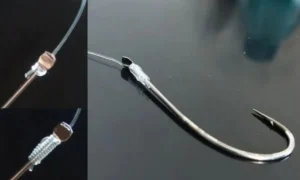
Step-by-Step Process to Make a Fishing Gaff Hook
Making a fishing gaff hook at home is simple if you follow the right steps. Here is a clear guide to help you build one safely and effectively:
Step 1: Choose the Right Hook
Pick a stainless steel hook that is strong and sharp. The size should match the fish you plan to catch. For small to medium fish, a short hook works fine, but for big game fish, go for a larger one.
Step 2: Prepare the Handle
Cut your wooden, fiberglass, or aluminum handle to the length you prefer. A shorter handle (2–3 feet) is easier to control in small boats, while a longer handle (4–6 feet) is useful for saltwater or offshore fishing. Smooth the edges with sandpaper so it feels comfortable.
Step 3: Attach the Hook
Place the hook at one end of the handle. Use screws, epoxy glue, or strong rope to secure it tightly. Make sure it does not move, even when pulled with force. If you use rope, wrap it several times and tie a strong knot.
Step 4: Add a Grip
Wrap the handle with rubber tape or add a ready-made grip. This will stop the handle from slipping, especially when wet.
Step 5: Finishing Touches
Check all connections carefully. Apply anti-rust coating to protect the hook if you plan to use it in saltwater. Finally, test the gaff gently before using it in real fishing.
By following these steps, you can create a durable DIY gaff hook that works just like a store-bought one.
Where & When to Use a Gaff Hook
A fishing gaff hook is not needed for every catch, but it becomes very useful when dealing with larger fish. Knowing the right place and time to use it will help you fish safely and more successfully.
Where to Use a Gaff Hook
Gaff hooks are most common in saltwater fishing, especially when targeting big fish such as tuna, marlin, mahi-mahi, and grouper. Anglers often use them on boats in the ocean, but they can also be helpful in large lakes or rivers when pulling heavy fish close to the shore. In Florida and other coastal areas, gaff hooks are a must-have for offshore fishing trips.
When to Use a Gaff Hook
Use a gaff hook only when the fish is already tired and close to the boat. This prevents the fish from escaping or causing injury. Gaffs are best used at the end of the fight, just before lifting the fish onboard.
In short, a gaff hook should be used in places where large fish are common and at the right moment—after the fish is under control. This makes fishing easier, safer, and more rewarding. more info Do Fish Hooks Dissolve
DIY vs Buying a Gaff Hook
When it comes to getting a fishing gaff hook, you have two options: make it yourself (DIY) or buy one from a store. Both choices have their own benefits and drawbacks.
DIY Gaff Hook
Making your own gaff hook is budget-friendly and gives you full control over the design. You can choose the handle length, hook size, and grip style based on your fishing needs. Many anglers enjoy the DIY process because it feels more personal and rewarding. However, it takes time, effort, and some basic tools. If not built properly, a DIY gaff may not last long or could even break during use.
Buying a Gaff Hook
Store-bought gaff hooks are ready to use and usually built with high-quality materials. They are more durable and often include extra features like non-slip grips and protective covers. The downside is that they can be expensive, and you may not find the exact size or style you prefer.
In the end, the choice depends on your fishing style and budget. DIY is perfect for hobbyists who enjoy making their own gear, while buying is better for those who want strength and reliability without the extra work.

Maintenance & Care of a Gaff Hook
A fishing gaff hook can last for many years if you take proper care of it. Regular maintenance keeps it strong, safe, and ready for every fishing trip.
- Clean After Each Use
After using the gaff, especially in saltwater, rinse it with fresh water. Salt can cause rust and weaken the metal over time. Make sure to dry it completely before storing. - Check for Rust and Damage
Inspect the hook, handle, and attachments regularly. Look for rust, cracks, or loose connections. Fix small issues immediately to avoid accidents while fishing. - Apply Protective Coating
You can use anti-rust sprays or oils on the hook to prevent corrosion. This is especially important for stainless steel hooks in saltwater conditions. - Store Safely
Keep your gaff in a dry place, ideally with a protective cover on the hook. Avoid placing heavy objects on it to prevent bending or breaking. - Handle with Care
When carrying or transporting the gaff, hold it firmly and keep the sharp hook away from your body.
Proper maintenance ensures that your DIY or store-bought gaff hook remains reliable, safe, and ready for landing big fish every time.
Real-Life Comparison: DIY vs Store-Bought Gaff Hook
| Feature | DIY Gaff Hook | Store-Bought Gaff Hook |
| Cost | Low (under $10) | High ($50–$150) |
| Durability | Depends on materials | High-quality, long-lasting |
| Customization | Fully customizable | Limited options |
| Legal Compliance | Must be checked | Usually meets standards |
| Availability | Immediate (DIY) | May be out of stock |
Real-Life Example from My Fishing Trip
When I first started fishing offshore, I couldn’t afford premium gaff hooks. So My very first DIY gaff was made using a curved coat hanger and a bamboo stick. It worked surprisingly well for small snappers. Eventually, I upgraded to a stainless steel hook with a custom aluminum pole, and that setup helped me land a 15-pound kingfish on a solo trip.
Trust me—your first DIY gaff won’t be perfect, but with a little effort, it’ll do the job.
Helpful Tip from a Pro Fisherman
👉 Tip: If you’re fishing in saltwater, always use rust-resistant materials—especially for the hook and screws. After each trip, rinse your gaff with fresh water and dry it thoroughly. This will help your homemade gaff last much longer.
If you’re looking for alternative methods, check out my detailed post on how to make a gaff for fishing, especially for beginners. And if you’re short on tools, don’t worry — .

Conclusion
Making a fishing gaff hook at home is simple, cost-effective, and rewarding for any angler. By choosing the right materials, following step-by-step instructions, and maintaining the hook properly, you can create a durable tool that helps land large fish safely. Always follow safety tips, use the gaff at the right time, and respect local fishing regulations. Whether you DIY or buy a gaff, understanding how it works and caring for it ensures a successful fishing trip every time. With practice and care, a gaff hook becomes an essential part of your fishing gear.
Ready to craft your own fishing gaff hook? Share your thoughts, experiences, or any questions you have in the comments below – let’s hook some great conversations!
✍️ Written by Jihad – Professional Fisherman
Website: profishingbyjihad.com
Is making a fishing gaff hook legal?
Legality depends on your region. Check local fishing rules before making or using a gaff, especially for protected species or during restricted seasons.
Can I make a gaff hook without a kit?
Yes. Use a coat hanger, steel rod, or large nail. Sharpen one end and attach it securely to a sturdy handle.
What is the best size for a DIY gaff hook?
For inshore fishing, 2–4 feet is enough. Offshore or big fish need 5–6 feet for better reach and control.
. What materials are needed for a gaff hook?
You need a strong handle (wood, PVC, or metal), a durable hook or steel rod, adhesive, tape, and basic tools like pliers and cutters.
How do I maintain my gaff hook?
Rinse with fresh water after each use, dry completely, check for rust, and apply anti-rust coating for longer life.
Can beginners make their own gaff hook?
Yes. With basic tools and guidance, beginners can safely build a functional gaff hook for small to medium fish.
When should I use a gaff hook?
Use it when a fish is close and tired. Gaffing too early can harm the fish or cause accidents.