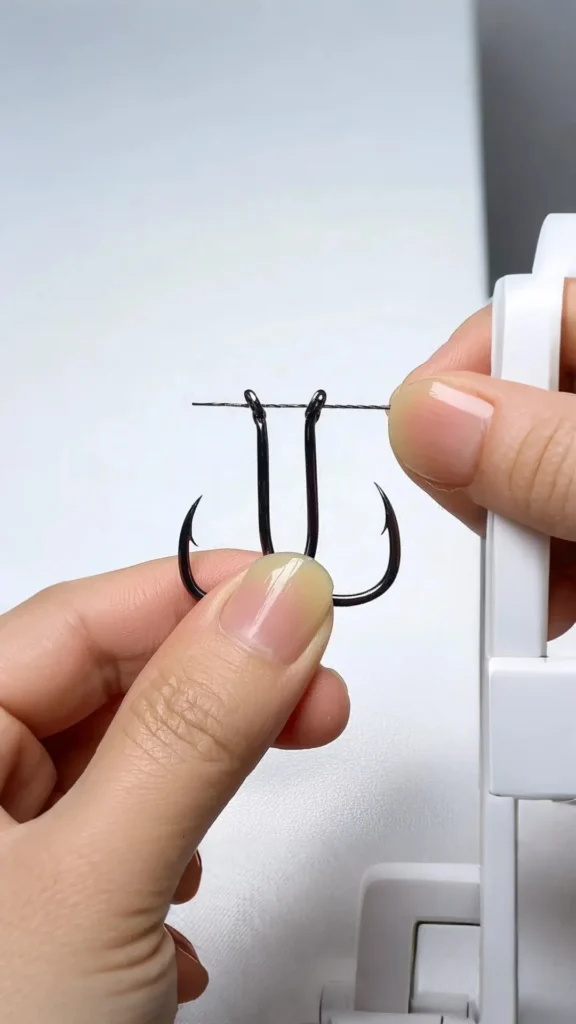
Learn how to make a gaff for fishing at home with simple tools and affordable materials. This step-by-step guide shows you how to build a strong, durable DIY gaff for catching bigger fish safely.
Introduction
Ever struggled to land a big fish at the last moment? I know the feeling. That’s exactly why a reliable gaff can change your fishing game completely. Whether you fish inshore, offshore, or from a kayak, having a strong, well-made gaff helps you safely and confidently bring your catch on board.
In this guide, How to Make a Gaff for Fishing, I’ll show you step by step how to build your own DIY gaff using simple tools and affordable materials. You don’t need fancy equipment or expensive store-bought gaffs—just a few basic supplies and some patience.
Making your own gaff isn’t just cost-effective; it’s also customizable. You can choose the perfect handle length, hook style, and grip to match your fishing needs. Plus, there’s a special satisfaction in using a tool you built yourself. Over my five years of professional fishing, I’ve tested different designs, materials, and techniques to make sure your DIY gaff will be strong, safe, and long-lasting.
By the end of this 2025 updated guide, you’ll not only know exactly how to make a gaff for fishing, but also how to use it like a pro. Get ready to land bigger fish, enjoy more successful trips, and take your fishing skills to the next level! details Fishing Gaff at Home.
Why Making Your Own Gaff Can Change Your Fishing Game (2025 Update )
Have you ever missed landing a big fish just because your gaff wasn’t ready? That’s a problem every angler faces—but making your own gaff can solve it. A homemade gaff gives you full control over its length, strength, and grip, so you can handle fish safely and confidently.
How to Make a Gaff for Fishing at home is easier than you think. With simple tools like wood, a steel hook, epoxy, and grip tape, you can build a strong, durable gaff that fits your fishing style perfectly. Unlike store-bought gaffs, DIY versions let you customize the handle length for kayak trips, boat fishing, or shore fishing. You can also choose the hook angle and material to match your target species—from snapper and catfish to mahi-mahi and tuna.
Besides cost savings, building your own fishing gaff adds pride and skill to your fishing experience. Every successful catch with your custom-made gaff feels more rewarding. Over my five years of professional fishing, I’ve tested different materials and designs, and a well-built DIY gaff often outperforms many commercial models in durability and control.
By taking the time to create your own gaff, you’re not just saving money—you’re improving your technique, boosting confidence, and enjoying a hands-on fishing adventure. Ready to get started? Let’s dive into the step-by-step guide and craft a gaff that will last season after season.
Why Choose to Make Your Own Fishing Gaff & Its Benefits 2025 Update
Many anglers wonder: why not just buy a store-bought gaff? The answer is simple—making your own fishing gaff gives you control, customization, and satisfaction that no off-the-shelf gaff can match.
- Cost-Effective and Practical
Commercial gaffs, especially branded ones like Mustad or Winthrop, can cost $50–$200. By learning how to make a gaff for fishing at home, you can build a reliable tool for as little as $10–$25 using materials you may already have. This makes DIY gaffs perfect for beginners or anyone looking to save money while still fishing like a pro. - Fully Customizable
DIY gaffs allow you to adjust the handle length for different fishing trips. Short handles work well for kayak fishing or tight spaces, while longer handles are ideal for boat or shore fishing. You can also choose the hook style, angle, and grip material—giving you total control over balance, weight, and comfort. This customization improves performance and reduces fatigue during long fishing trips. - Durability and Reliability
A homemade fishing gaff can outperform many store-bought models if built correctly. Using quality wood, a strong steel hook, and proper epoxy, you’ll have a durable, corrosion-resistant gaff suitable for freshwater or saltwater environments. Over my five years of professional fishing, I’ve tested different DIY designs, and a well-built gaff lasts years with proper care. - Hands-On Satisfaction
There’s something special about landing a fish with a gaff you built yourself. Each successful catch reinforces your skills and gives a sense of accomplishment. From snapping a big bass in a freshwater lake to landing a mahi-mahi offshore, a DIY gaff boosts confidence and connection to the sport. - Real-Life Advantage
By making your own gaff, you’re not only saving money but also learning essential fishing techniques, understanding equipment mechanics, and preparing for real-life situations where a store-bought gaff might not fit your exact needs.
Pro Tip: Keep your DIY gaff lightweight yet strong, and always test it before heading out. With the right build, a homemade gaff can match or even surpass commercial alternatives in efficiency, comfort, and reliability. more info Do Fish Hooks Dissolve.
Benefits of a DIY Fishing Gaff
A homemade gaff doesn’t just save money. Done right, it can outperform store-bought gear.
- Durability: Use quality wood or a broken fishing rod blank to make a strong shaft.
- Grip Control: Add custom grips for wet or saltwater conditions.
- Better Control: Tailor the balance and weight for the species you target.
From catching catfish in muddy rivers to landing barracudas offshore, my DIY gaffs have proven their worth.
Real Example – My First Gaff
When I first tried building my own gaff, I had no idea how useful it would become. I grabbed an old broomstick, a stainless-steel hook, and some duct tape, determined to craft a DIY tool for my fishing trips. Following the basics of how to make a gaff for fishing, I cut the handle to size, secured the hook, and wrapped a grip for comfort. It wasn’t perfect—but it worked.
That very day, I landed a 12-pound cobia from a Florida pier. The homemade gaff held strong, and I realized the value of customizing my own tool. From that moment, I understood why DIY gaffs aren’t just about saving money—they give you full control over handle length, hook placement, and grip type.
Over the years, I upgraded my designs using stronger wood, epoxy adhesives, and corrosion-resistant hooks. Each gaff I made became more durable and efficient, suitable for both saltwater and freshwater fishing. By making your own gaff, you learn how to adapt it to your fishing style—whether you’re targeting snapper, catfish, mahi-mahi, or tuna.
Pro Tip: Always test your DIY gaff before taking it on a real trip. A little trial ensures the handle, hook, and grip are sturdy and safe. With patience and care, your homemade fishing gaff can outperform many store-bought options, giving you confidence and success on every trip.
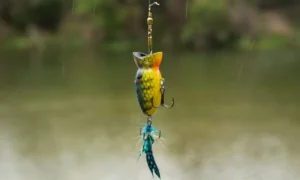
Materials Needed + Step-by-Step Instructions
Building your own gaff may sound tricky, but once you have the right materials and follow step-by-step instructions, it’s simple, fun, and rewarding. Here’s everything you need to create a strong, durable DIY gaff that works for freshwater and saltwater fishing.
🧰 Materials Needed:
- Handle: Strong wood like oak, hickory, or a broken fishing rod blank.
- Hook: Stainless steel or thick metal suitable for your target fish.
- Epoxy Adhesive: Industrial strength and waterproof for long-lasting durability.
- Drill + Bits: To make precise holes for the hook attachment.
- Wire or High-Tensile Thread: For extra reinforcement.
- Grip Wrap: Paracord, heat-shrink tubing, or athletic tape for a secure, slip-free grip.
- Sandpaper: Optional, to smooth the handle and edges.
🛠️ Step-by-Step Instructions
- Prepare the Handle
Cut your wooden shaft to the preferred length—usually 3 to 5 feet depending on fishing style. Sand edges for comfort and smooth handling. - Attach the Hook
Drill a small angled hole at one end of the handle. Insert your hook and secure it using epoxy adhesive. Wrap the base with strong wire or thread for added strength. Ensure it’s tightly fixed—safety comes first! - Add a Grip
Wrap the opposite end of the handle with paracord or athletic tape. For heat-shrink tubing, apply heat evenly until snug. A proper grip ensures control even in wet or slippery conditions. - Curing & Testing
Let the epoxy dry fully, usually 12–24 hours. Before using on a fishing trip, test the gaff with weights or gentle tugs to confirm it’s secure and durable.
🧠 Pro Tips for Better Performance:
- Avoid soft wood—it may bend or snap under heavy fish.
- Choose rust-resistant hooks for saltwater fishing.
- Consider a folding or telescopic handle if portability is important.
By following these steps, you’ll have a DIY fishing gaff that’s strong, safe, and tailored to your style. Learning how to make a gaff for fishing not only saves money but also gives you confidence in every fishing trip. Whether you’re targeting catfish, snapper, mahi-mahi, or tuna, a well-made homemade gaff is your reliable partner on the water.
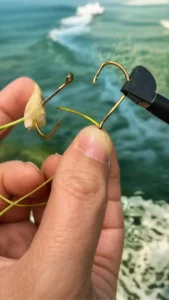
Pro Tips, Safety, and Maintenance for Your DIY Gaff (2025 Update
A well-built DIY fishing gaff is only as good as the care and technique you use. To make your gaff last longer and stay safe, follow these pro tips and maintenance steps.
- Handle Your Gaff Safely
Always keep the hook pointed away from yourself and others. When lifting fish, maintain a firm grip on the handle and avoid sudden jerks. A properly secured grip—using paracord, heat-shrink tubing, or tape—reduces slips and accidents during wet conditions. - Choose Rust-Resistant Materials
If you fish in saltwater, select stainless steel or coated hooks. A corrosion-resistant DIY gaff not only lasts longer but also performs better, giving you confidence when landing larger fish like snapper, mahi-mahi, or tuna. - Regular Inspection
Before every fishing trip, check the gaff’s handle, hook, and grip. Look for cracks, loose wire wraps, or damaged epoxy. A quick inspection prevents unexpected failures on the water. - Cleaning and Storage
After each trip, rinse your gaff with fresh water and dry it thoroughly. Store it in a dry place to prevent wood swelling or metal rusting. Proper storage ensures your DIY gaff remains reliable for years. - Upgrade Over Time
As you gain experience, experiment with different handle lengths, hook angles, or grip materials. Adjusting your DIY gaff for specific fish species and environments improves your success and makes your fishing trips more enjoyable.
Pro Tip: Always test your homemade gaff before tackling big fish. Lift a few weights or tug the hook to confirm strength. This small step ensures safety and builds confidence when using your gaff in real fishing conditions. details What Size Hooks Trout Fishing
By following these tips, you’ll not only protect yourself and your gear but also maximize the performance of your homemade fishing gaff. Mastering how to make a gaff for fishing includes knowing how to care for it—making every trip safer, smoother, and more successful.
If you’re looking for alternative methods, check out my detailed post on how to make a gaff for fishing hook, especially for beginners. And if you’re short on tools, don’t worry — I’ve also shared how to make a fishing gaff hook without a kit using simple items you likely already have at home.
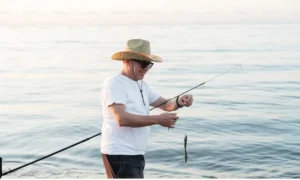
Final Thoughts
Making your own fishing gaff is more than just a DIY project—it’s a way to become a skilled and independent angler. By crafting a gaff yourself, you save money, get a tool customized to your fishing style, and gain confidence in landing bigger fish. From selecting the right handle and hook to testing and maintaining it, every step adds value to your fishing experience.
So, whether you fish in rivers, lakes, or the ocean, following this step-by-step guide ensures your gaff is strong, reliable, and ready for action. Grab your materials, follow the instructions, and enjoy the satisfaction of using a tool you built yourself.
🎣 Ready to Upgrade Your Fishing Game?
Try making your own gaff this weekend and see the difference in your catches! Don’t forget to share your results in the comments or tag me in a photo of your first big catch with your homemade gaff.
✅ Explore more guides and tips for smarter fishing: [Check out our latest DIY Fishing Projects and Tools].
What is a fishing gaff and why should I make one?
A fishing gaff is a handheld tool used to safely land large fish. Making your own gaff is cost-effective, customizable, and ensures you have a sturdy, reliable tool for your fishing adventures.
What materials do I need to make a durable fishing gaff?
You need a strong wooden or metal handle, a sharp stainless-steel hook, epoxy or screws, and protective coating. These materials ensure the gaff is strong, long-lasting, and safe for both freshwater and saltwater fishing.
How long should a homemade fishing gaff be?
Typically, 3–5 feet works best. Shorter gaffs are good for kayaks or small boats, while longer ones help land big fish from larger boats or shore fishing. Customize length based on your fishing environment and target species.
Can I use a homemade gaff in saltwater fishing?
Yes, but make sure to use corrosion-resistant materials like stainless steel and apply a protective coating. This prevents rust and ensures your gaff lasts longer even in harsh saltwater conditions.
Is it possible to make a gaff without using a drill?
Yes, you can use strong adhesives only, but for safety and durability, drilling a hole for the hook is recommended. This gives better grip, stability, and strength while landing large fish.
How do I maintain and store my homemade fishing gaff?
After each use, clean it thoroughly, dry it completely, and store it in a dry place. Regularly inspect the hook and handle for any wear, ensuring your gaff remains safe and effective.
Are there any safety tips when using a fishing gaff?
Always handle the hook carefully to avoid injury. Use the gaff only when the fish is close to the boat or shore, and never swing it recklessly. A controlled approach protects both you and the fish.